How to start your care journey
and Make your late life comfortable?
Chinese Long-Term Care Homes vs. Home Care in Toronto
A cultural, emotional, and practical comparison for Chinese families
When Chinese families in Toronto begin planning long-term care for aging parents, the decision often comes down to Chinese culturally designated long-term care (LTC) homes versus Chinese home care services.
Both options aim to support dignity, safety, and comfort—but they do so in very different ways.
Below is a clear, honest comparison to help families choose what truly fits their loved one’s needs, values, and stage of aging.
Why culture matters deeply in senior care
For Chinese seniors—especially those living with Alzheimer’s or dementia—culture is not a “nice-to-have.” It directly affects:
Nutrition & appetite
Communication & safety
Emotional well-being
Sense of identity and dignity
As dementia progresses, many seniors lose their second language (English) and revert fully to their mother tongue (Cantonese, Mandarin, or other dialects).
Food that once felt familiar may suddenly feel foreign. Unfamiliar environments can trigger fear, agitation, or withdrawal.
This is why culturally aligned care—whether in a facility or at home—makes a measurable difference.
Option 1: Chinese culturally designated long-term care homes (Toronto)
Chinese LTC homes are designed to recreate a familiar cultural environment inside an institutional setting.
What they do well
1. Dementia-friendly cultural familiarity
Seniors hear Cantonese or Mandarin daily
Staff understand cultural expressions, habits, and values
Less confusion and distress for dementia residents
2. Chinese food = better nutrition
Many seniors eat more when food feels familiar.
Chinese LTC homes often serve:
Congee (稀饭)
Char siu (叉烧)
Cheung fun / rice noodle rolls (肠粉)
Bok choy (白菜), gai lan (芥兰), choy sum (菜心)
White rice at most meals
This directly helps prevent weight loss and malnutrition, which are common in dementia.
3. Cultural & spiritual activities
Mahjong (麻将)
Chinese opera
Calligraphy
Buddhist or Chinese church services
Chinese New Year & traditional holidays
These activities help reduce isolation and restore a sense of belonging.
Chinese long-term care homes in Toronto
Mon Sheong Home for the Aged
Non-profit | Kensington-Chinatown & Scarborough
Bilingual signage, dementia unit, Mandarin & Cantonese supportYee Hong Centre
Non-profit | Markham, Mississauga, Scarborough
Strong cultural programming, food, and language supportTendercare Living Centre
For-profit | McNicoll & Victoria Park
Tablet meal ordering, Chinese menus, Mandarin & CantoneseThe Heritage Nursing Home
For-profit | Leslieville
Cantonese opera, Mahjong, Chinese church services
The real downsides of Chinese LTC homes
ChallengeWhat families experienceLong waitlistsOften years, especially for preferred locationsLoss of independenceFixed schedules, shared roomsLess one-to-one attentionStaff care for many residentsNot all staff speak ChineseLanguage matching is attempted, not guaranteedEmotional guiltMany families struggle with the decision emotionally
Option 2: Chinese home care in Toronto (care at home)
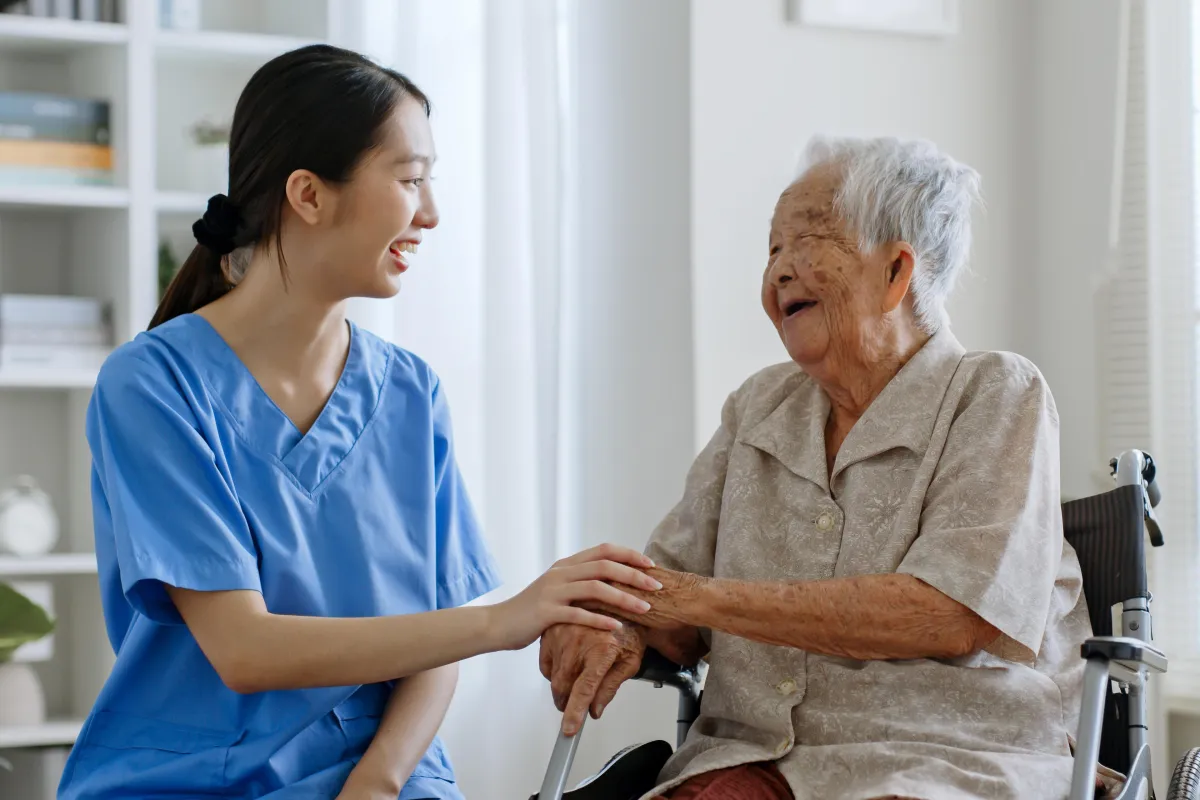
Chinese home care brings culturally matched care directly into the senior’s own home.
Why many families choose home care first
1. Seniors stay in a familiar environment
Same home
Same neighborhood
Same routines
This is especially powerful for early-to-mid-stage dementia, where routine reduces agitation and confusion.
2. True one-on-one care
A dedicated caregiver
Personalized pacing
Flexible schedules
Care adapted daily, not institutionally
3. Language & cultural continuity
Caregivers speak Cantonese or Mandarin
Cooking based on family preferences
Communication without fear or frustration
4. Family involvement remains central
Families can:
Visit anytime
Participate in care decisions daily
Adjust care hours as needs change
Limitations of home care
LimitationRealityCost over time24/7 care can exceed LTC costsCare coordinationFamily often manages schedulesSafety concernsHome may need modificationsAdvanced dementiaSevere cases may need secure units
Side-by-side comparison
AspectChinese LTC HomeChinese Home CareEnvironmentInstitutionalFamiliar homeLanguageMandarin/Cantonese (not all staff)Fully matchedFoodChinese menu, fixed scheduleFully customizedCare ratioShared attentionOne-on-oneFlexibilityLowHighWait timeLongImmediateFamily involvementLimitedHighBest forAdvanced dementia, high medical needsEarly–mid dementia, mobility support
Which option is “better”?
There is no universal answer.
The best choice depends on:
Dementia stage
Physical safety needs
Family availability
Budget
Emotional readiness
A common path for Chinese families:
Start with Chinese home care
Delay institutionalization
Transition to Chinese LTC only when care needs exceed what home can safely provide
This approach often preserves dignity, reduces guilt, and maintains quality of life longer.
Final thoughts
The goal is not just care, but comfort, identity, and dignity.
Whether through a culturally designated long-term care home or compassionate Chinese home care, the right choice is the one that:
Respects your parent’s language
Honors their food and traditions
Reduces fear and isolation
Supports the whole family—not just the patient
If you’d like, I can also help you:
Compare costs in Toronto
Decide when it’s time to transition
Create a step-by-step decision checklist
Write this in Chinese (简体 / 繁體) for family discussions
Contact us by Email: [email protected]

Caring for aging parents comes with questions, emotions, and
decisions that don’t always have clear answers.
Our blog is to walk with you — step by step.
Subscribe to our Mailing List