It’s Not That You Don’t Care — Even When You Yelled at Your Mom with Dementia
You didn’t mean to raise your voice.
You didn’t wake up that morning thinking, “Today I’ll hurt my mom’s feelings.”
And yet… it happened.
She asked the same question again.
And again.
And again.
You answered patiently the first time.
The second time, too.
But by the tenth time—after work emails, unpaid bills, your own children needing you—you snapped.
And now the guilt sits heavy in your chest.
Here’s the truth most caregivers need to hear
Yelling does not mean you don’t care.
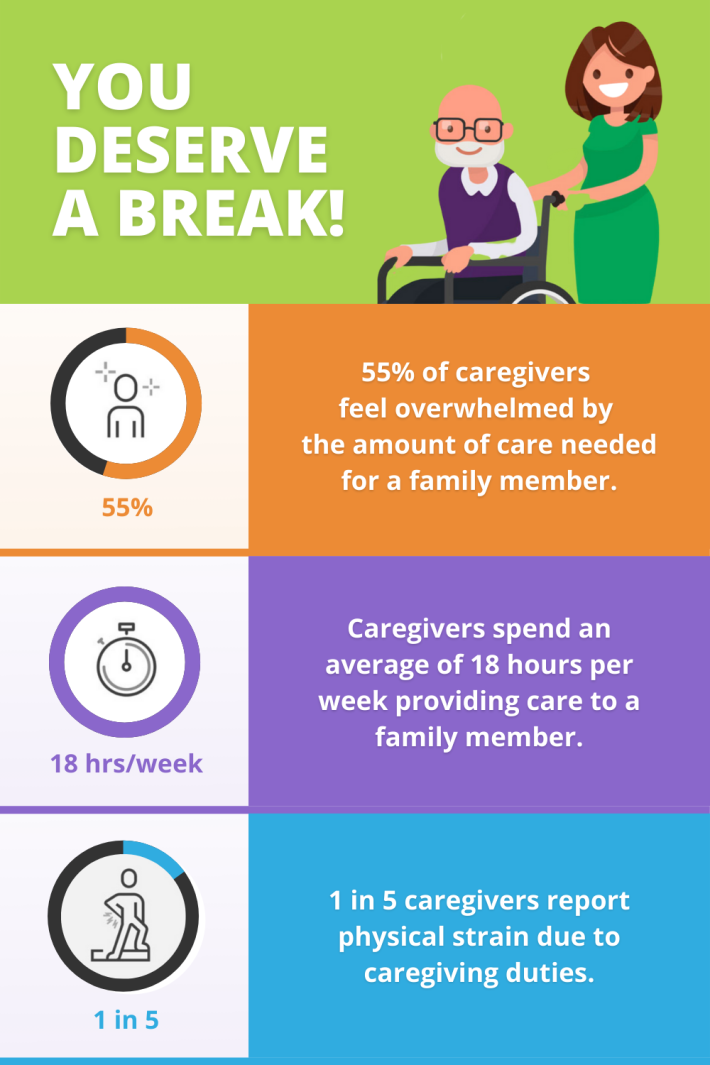
It usually means you care too much, for too long, with too little support.
When your mom has dementia, your brain is fighting two realities at once:
You know logically that she can’t remember
But emotionally, it still feels like she isn’t listening
That disconnect is exhausting.
Dementia changes roles — and that grief is real
You’re not just a caregiver.
You’re also a daughter who lost the version of her mom who once guided you.
Every repeated question is a reminder:
She used to remember
She used to protect
She used to be the strong one
Yelling often comes from grief, not anger.
Why your voice rose (and it wasn’t because you’re cruel)
Caregivers often yell because:
They’re mentally overloaded
They feel unseen and unsupported
They’re carrying responsibility alone
They haven’t had a real break in weeks… or months
Your nervous system goes into survival mode.
Your body reacts before your heart can catch up.
What matters more than the moment you yelled
What matters is:
You stayed
You didn’t walk away forever
You still show up the next day
You’re reading this because you care
Dementia doesn’t measure love by tone of voice.
It feels love through presence, routine, and safety.
A gentle reframe for caregivers
Instead of saying:
“I’m a bad daughter. I yelled.”
Try:
“I’m a tired daughter who needs support.”
Because yelling is often a signal—not of failure—but of burnout.
If this feels too familiar…
You don’t have to carry this alone.
Caregiving was never meant to be a one-person job.
Support—whether emotional, practical, or professional—is not giving up.
It’s protecting both your mom’s dignity and your own humanity.
💬 If you’ve ever felt this guilt, you’re not alone.
This is the quiet truth of dementia caregiving that too many families carry in silence.
Read More: https://www.personalaid.ca/blog