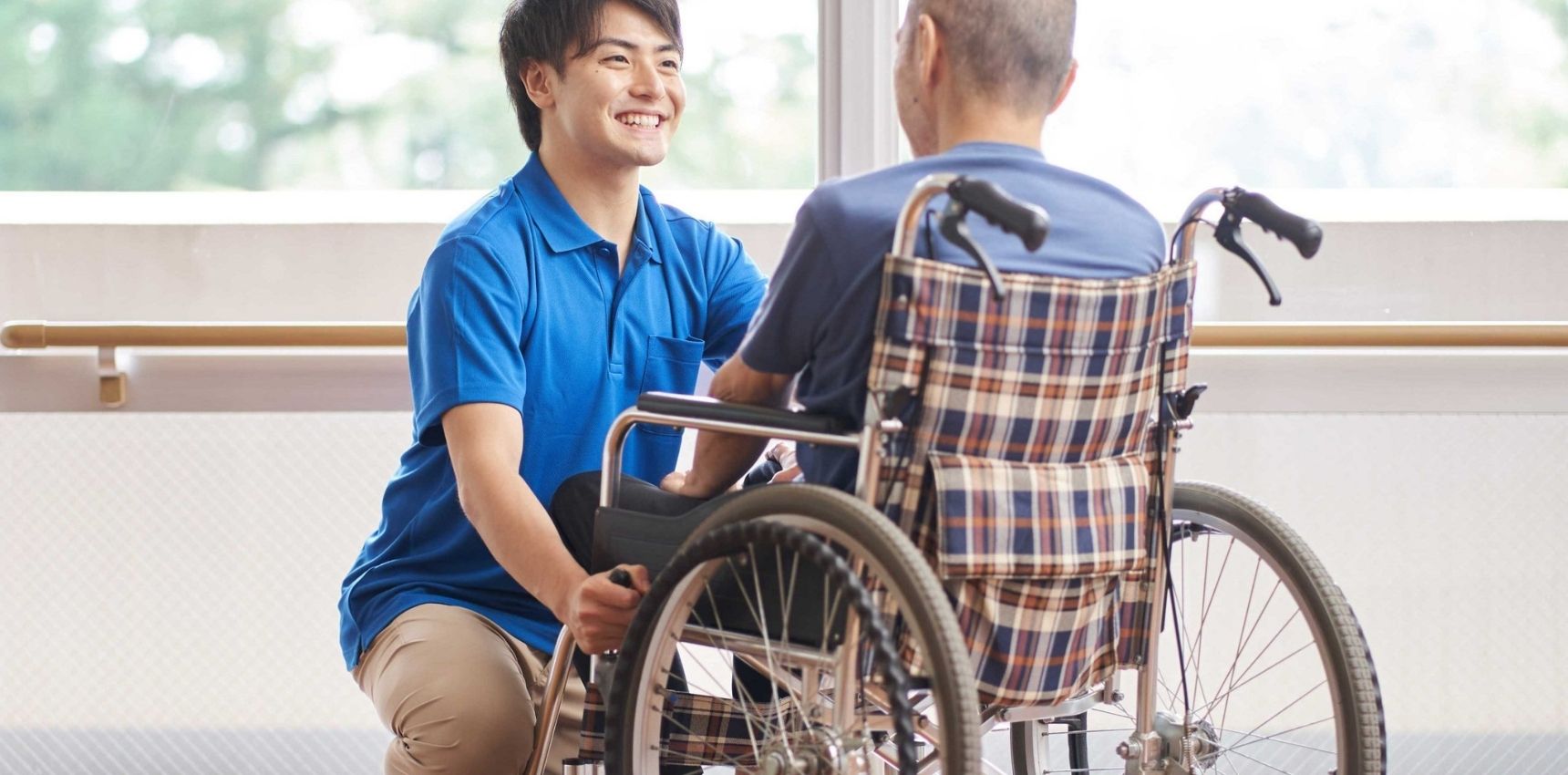
How to take care of a senior
Caring for a senior loved one is one of the most meaningful yet challenging responsibilities you may face. Whether you're supporting an aging parent, grandparent, or other family member in Toronto or the Greater Toronto Area, understanding the essential aspects of senior care can help you provide the best possible support while maintaining their dignity and independence.
Understanding Your Senior's Needs
Every senior has unique needs based on their health, mobility, cognitive function, and personal preferences. Start by having open conversations about their daily challenges, medical conditions, and what kind of help they're comfortable accepting. Pay attention to changes in their ability to manage household tasks, personal care, or medication routines.
Key areas to assess:
Mobility and fall risk
Nutrition and meal preparation
Medication management
Personal hygiene and grooming
Cognitive health and memory
Social engagement and mental wellbeing
Creating a Safe Home Environment
Falls are a leading cause of injury among seniors. Walk through their home and identify potential hazards:
Remove tripping hazards like loose rugs and clutter
Install grab bars in bathrooms and near stairs
Ensure adequate lighting throughout the home
Keep frequently used items within easy reach
Consider a medical alert system for emergencies
Managing Medical Care and Appointments
Keeping track of multiple doctor appointments, medications, and health conditions requires organization:
Maintain an updated list of all medications, dosages, and schedules
Keep a medical binder with doctor contacts, insurance information, and health history
Accompany your loved one to important medical appointments
Set up pill organizers or medication reminders
Understand what healthcare services are covered by OHIP and what requires private payment
Supporting Daily Activities
As seniors age, everyday tasks may become more difficult. Determine which activities need support:
Meal preparation: Ensure they're eating nutritious meals regularly
Transportation: Help with getting to appointments, grocery shopping, and social activities
Housekeeping: Assist with cleaning, laundry, and home maintenance
Personal care: Provide or arrange help with bathing, dressing, and grooming as needed
Prioritizing Mental and Emotional Health
Isolation and loneliness significantly impact senior wellbeing. Encourage social connections through:
Regular family visits and phone calls
Community senior programs in Toronto
Hobby groups or religious communities
Virtual connections with distant family and friends
Watch for signs of depression, anxiety, or cognitive decline, and don't hesitate to consult healthcare professionals.
When to Consider Professional Home Care
Many families in the GTA eventually need additional support. Professional home care services can provide:
Personal support workers (PSWs) for daily care assistance
Companionship and supervision
Respite care to give family caregivers a break
Specialized dementia or Alzheimer's care
Same-day care for urgent needs
Professional care allows seniors to remain in their familiar home environment while receiving expert support tailored to their needs.
Taking Care of Yourself as a Caregiver
Caregiver burnout is real and common. You cannot pour from an empty cup:
Accept help from other family members
Join caregiver support groups in Toronto
Take regular breaks and maintain your own health
Set realistic expectations
Consider professional home care to share the caregiving responsibilities
Resources in the Greater Toronto Area
Toronto offers numerous resources for seniors and their caregivers:
Community Care Access programs
Toronto Public Health senior services
Local senior centers and programs
Home care agencies providing personalized support
Geriatric assessment clinics
Planning for the Future
Have important conversations early about:
Power of attorney for healthcare and finances
Living will and healthcare directives
Long-term care preferences
Financial planning for care costs
Getting Started with Senior Care in Toronto
If you're feeling overwhelmed by the responsibility of caring for a senior loved one, remember that you don't have to do it alone. Professional home care services can complement your family care, providing expert support while honoring your loved one's independence and dignity.
The most important thing is to start the conversation, assess needs honestly, and build a care plan that works for your family's unique situation.
➡️ Call Now: (905) 869 3635, Email us: [email protected], Web: https://personalaid.ca for more information

