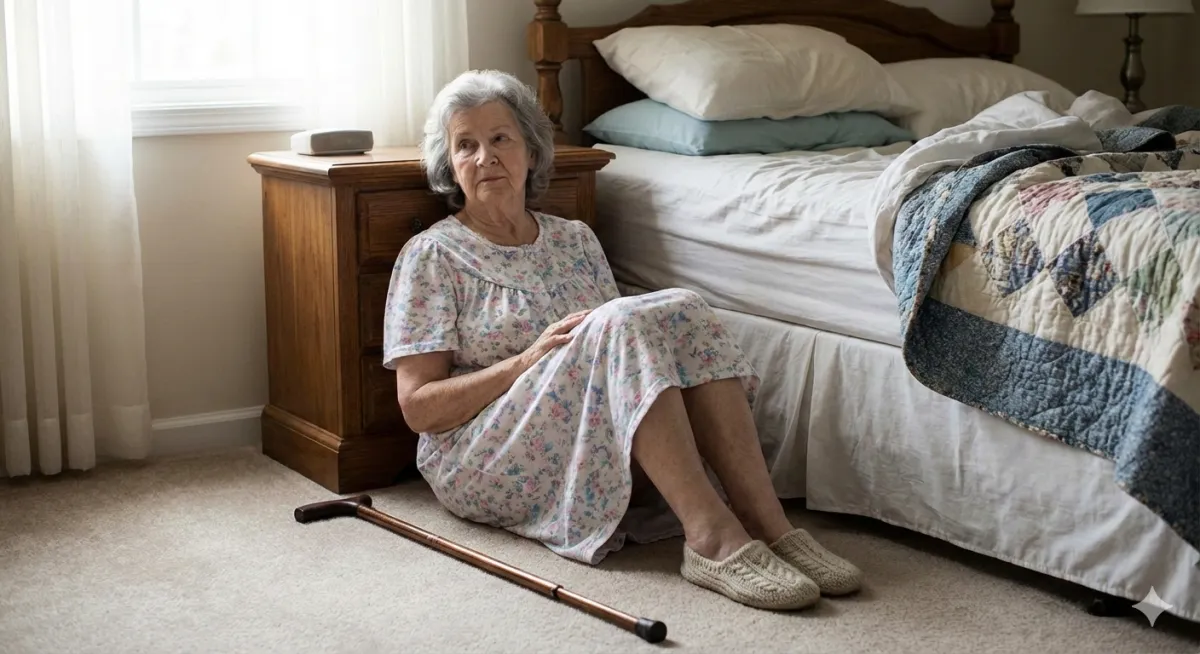
Home Safety Quick Scan
A Simple, Powerful Checklist That Can Prevent Serious Accidents
SEO Meta Description: Home Safety Quick Scan explained step by step with a practical checklist to help families identify hidden risks, prevent falls, and keep aging loved ones safe at home.
A Home Safety Quick Scan is one of the easiest and most effective ways families can reduce accidents, hospital visits, and emergency decisions — yet it’s often overlooked until after something goes wrong.
Falls, medication errors, and home hazards are among the top reasons older adults lose independence. The good news? Many risks can be spotted — and fixed — in under 30 minutes with a focused scan.
This guide walks you through a simple, room-by-room Home Safety Quick Scan, designed for real homes, real families, and real-life constraints.
What Is a Home Safety Quick Scan?
A Home Safety Quick Scan is a fast, structured review of a home to identify:
Fall hazards
Poor lighting
Accessibility issues
Fire and emergency risks
Small problems that can quickly become big ones
It’s not a professional inspection — it’s a practical first step families can do today.
Why a Home Safety Quick Scan Matters
Most families assume:
“Mom’s been fine in this house for years.”
But aging changes vision, balance, strength, and reaction time. A home that was once safe can quietly become dangerous.
Common Consequences of Skipping a Safety Scan
Falls leading to loss of independence
Emergency hospital visits
Rushed care decisions
Increased caregiving stress
Higher long-term costs
A short Home Safety Quick Scan can prevent months — or years — of disruption.
How Long Does a Home Safety Quick Scan Take?
10–15 minutes for a quick pass
30 minutes for a thorough scan
Zero special tools required
All you need is:
Good lighting
Comfortable shoes
A notepad or phone
Room-by-Room Home Safety Quick Scan Checklist
1. Entryways & Hallways
These areas cause more falls than people realize.
Check for:
Loose mats or rugs
Clutter on floors
Uneven thresholds
Poor lighting
Missing handrails on steps
Quick fixes:
Remove or secure rugs
Add motion-sensor lights
Install railings on both sides of stairs
2. Living Room
Comfort often hides risk.
Check for:
Low or unstable furniture
Electrical cords across walkways
Slippery floors
Chairs without armrests
Quick fixes:
Rearrange furniture for clear paths
Tape or reroute cords
Add non-slip pads under furniture
3. Kitchen
The kitchen combines sharp objects, heat, and slippery surfaces.
Check for:
Items stored too high
Slippery floors near the sink
Poor lighting over counters
Loose appliance cords
Quick fixes:
Move daily-use items to waist level
Use non-slip mats
Improve task lighting
4. Bathroom (Highest-Risk Area)
Most serious home injuries happen here.
Check for:
No grab bars
Slippery tub or shower
Low toilet height
Poor nighttime lighting
Quick fixes:
Install grab bars (not towel racks)
Add non-slip strips or mats
Use a raised toilet seat
Add nightlights
5. Bedroom
Falls often happen at night or early morning.
Check for:
Long distance to the bathroom
Clutter near the bed
No bedside light
Bed too low or too high
Quick fixes:
Add motion nightlights
Keep a clear path
Adjust bed height if possible
Fire & Emergency Safety Scan
A Home Safety Quick Scan must include emergencies.
Check for:
Working smoke detectors on every level
Carbon monoxide detectors
Clear exit paths
Emergency numbers posted visibly
Quick fixes:
Replace batteries twice a year
Post emergency contacts near the phone
Keep keys accessible near exits
Medication & Health Safety
Medication errors are a silent risk.
Check for:
Multiple pill bottles
Expired medications
Confusing schedules
Poor lighting when taking meds
Quick fixes:
Use a weekly pill organizer
Dispose of expired meds
Create a simple medication list
When a Home Safety Quick Scan Is NOT Enough
A quick scan is a starting point — not the finish line.
You may need professional help if:
There have been multiple falls
Dementia is present
Mobility has declined quickly
Family caregivers feel overwhelmed
In these cases, a formal home safety assessment or care planning review may be needed.
FAQs: Home Safety Quick Scan
How often should we do a Home Safety Quick Scan?
At least once a year — and after any fall, hospitalization, or health change.
Can one person do the scan alone?
Yes, but it’s best done together with the older adult to respect preferences and routines.
Do we need special equipment?
No. Most risks are visible with careful observation.
Is renting a home a problem?
No. Many fixes are temporary, low-cost, and renter-friendly.
What’s the most dangerous room?
The bathroom, followed closely by stairs and entryways.
Does a Home Safety Quick Scan replace professional help?
No — it complements it and helps families know when to seek more support.
Final Thoughts
A Home Safety Quick Scan is simple, fast, and incredibly powerful. It doesn’t require medical training, expensive tools, or major renovations — just attention and intention.
Small changes today can prevent life-altering events tomorrow.
If you’re caring for an aging parent, this scan is one of the most loving first steps you can take.


