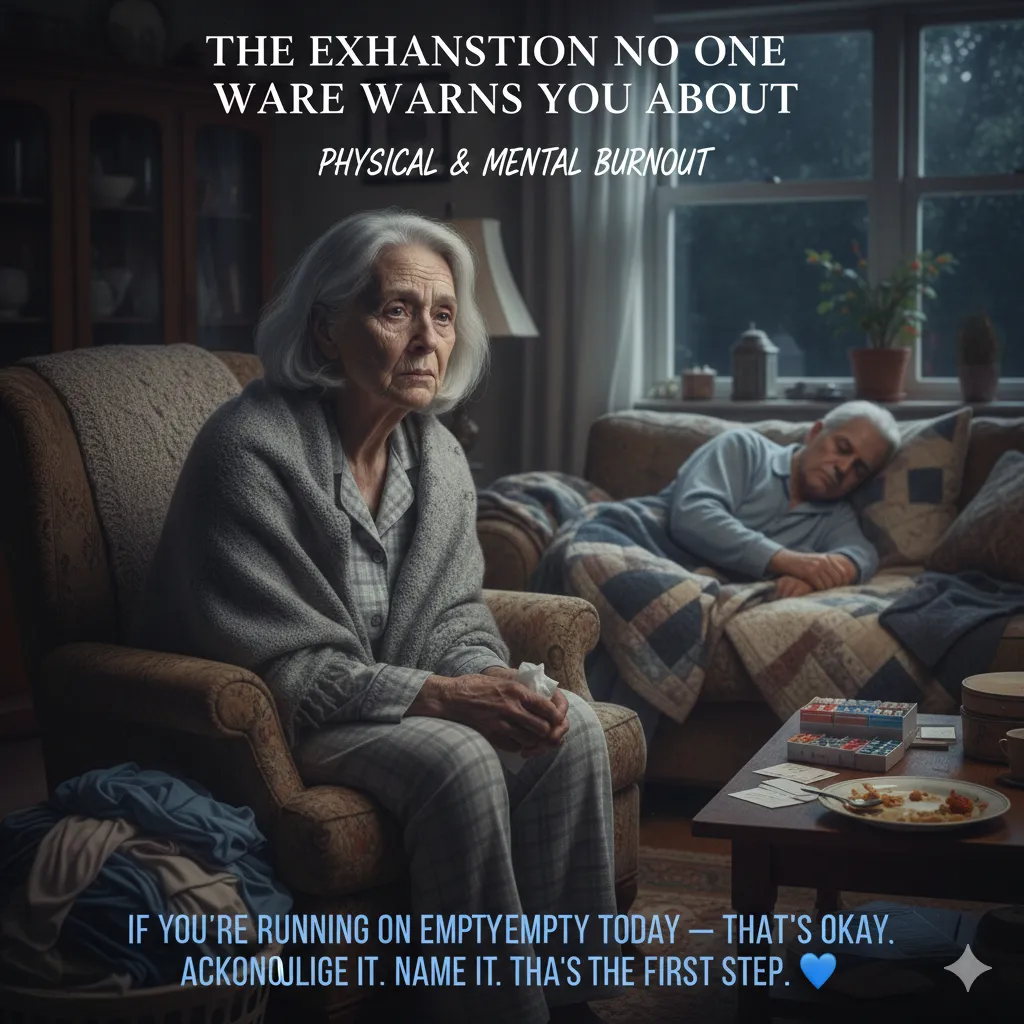
The Silent Crisis of "Old Caring for Older"
The Silent Crisis of "Old Caring for Older": When a 70-Year-Old Son Reaches His Breaking Point
The image of a devoted son caring for his elderly father is often painted with the brush of filial piety and tradition. But in a world where medical advancement is pushing life expectancy to new heights, a grueling new reality has emerged: the "young-old" (seniors in their 60s and 70s) are now the primary caregivers for the "old-old" (parents in their 90s and 100s).
A recent viral conversation between a 70-year-old retired son and his 91-year-old bedridden father has pulled back the curtain on the physical and emotional toll of this "Silver Tsunami." It isn't just a story about family duty; it is a warning about the looming crisis of caregiver burnout in an aging society.
The Breaking Point: "I am a Senior, Too"
The heart of the struggle lies in a simple, overlooked fact: caregivers are aging alongside their parents. In this poignant exchange, the son tries to explain to his father that at 70, he is no longer the vigorous young man he once was. While the father remains cognitively sharp, he is physically dependent—requiring 24-hour assistance with bathing, lifting, and changing adult diapers.
For the son, retirement wasn’t the reward he imagined. Instead of traveling or resting, his days are consumed by the high-intensity labor of geriatric care. He reveals a list of health struggles that many caregivers face but rarely voice:
Chronic Physical Strain: Lifting a grown man has decimated his back.
Medical Complications: He is managing his own high blood pressure and diabetes.
Mental Health Crisis: He describes a state of "collapse," battling clinical depression and the isolation that comes with round-the-clock care.
The Clash of Tradition and Reality
The tension peaks when the topic of professional elder care or nursing homes is raised. The 91-year-old father represents a traditional generation that views institutional care as a "disgrace" or a sign of abandonment. "I have children," he argues, "why would I go to a home?"
This mindset creates a "duty trap." The father views caregiving as a simple act of "feeding and sitting," while the son experiences it as a grueling, 24/7 job that has stolen his golden years. This disconnect is a primary driver of caregiver resentment, a silent epidemic in modern households.
The "Sandwich Generation" is Stretching Thin
The crisis doesn't stop with the son. His wife, also in her 70s, is caught in a triple-layer care cycle. She is:
Helping their children with a "second-child" (the grandkids).
Assisting her husband with his father.
Monitoring her own aging parents.
This is the reality of the modern Sandwich Generation. Resources are stretched to the limit, and the "young-old" are sacrificing their own health to sustain the generations above and below them.
Finding a Sustainable Path Forward
If you are a senior caring for an older parent, it is vital to recognize the signs of caregiver burnout symptoms before a medical emergency occurs. Experts suggest several key steps:
Normalize Professional Help: Hiring a Home Health Aide (HHA) or exploring Respite Care is not an admission of failure; it is a strategy for survival.
Set Physical Boundaries: Use specialized equipment (lifts, hospital beds) to prevent permanent injury to the caregiver.
Open the Dialogue: Have "the talk" about long-term care solutions early, before the primary caregiver becomes a patient themselves.
The story of the 70-year-old son is a mirror held up to our future. As we live longer, we must ask ourselves: At what point does "filial piety" become a health hazard? We cannot expect the elderly to care for the elderly without a robust support system in place.
What are your opinions for this situation? Comment below and let us know your thoughts

